

Buying flooring online is one of those things that goes great when you know what you're doing and sideways when you don't.
The horror stories are real: a different color shows up, shipping costs double the price at checkout, the order arrives damaged and nobody answers the phone.
These things happen when buyers skip steps that seem obvious in hindsight.
Here's how to do it right.
Step 1: Order Samples
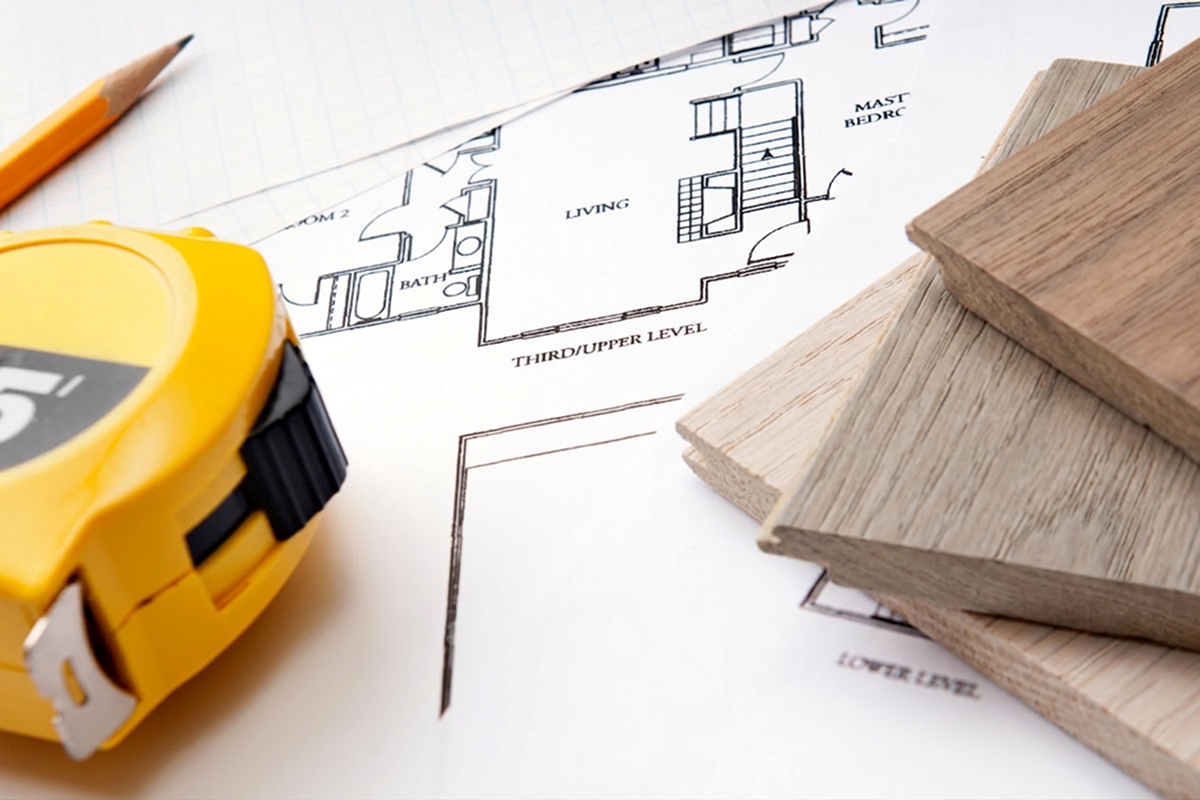
Order 2–4 samples of anything you're seriously considering. Most flooring companies offer them for a few dollars each.
Put the samples on your actual subfloor. Look at them in daylight and at night under your lighting. See them under sunlight. Live with them for 24 hours.
The $10–$15 you spend on samples is the cheapest insurance you can buy.
Step 2: Measure Correctly
Measure the room at its widest points, not just the obvious rectangle. Rooms have closets, alcoves, bay windows, and weird angles.
Standard rule: multiply length by width to get square footage, then add 10% for waste and cuts. Irregular rooms or pattern-match floors add 15%.
Running out of flooring mid-job is a real problem. Dye lots change between production runs. The box you reorder in three weeks may be slightly different from what you already installed. Order enough the first time. And if you order from us, we have only a limited amount available.
Also measure your doorways and count your transitions. Every place your new floor meets a different surface needs a transition strip. Count them before you order so you can add them to your cart.
Step 3: Check the Full Price Including Shipping
This is where people get burned most often.
Flooring is heavy. Shipping costs are real. A floor that looks like a deal at $1.99/sq ft can become a bad deal fast if shipping adds $0.75–$1.00/sq ft on top.
Before you put in your payment information, look at the total flooring plus shipping to your zip code. Some companies show cheap product prices and make it up in freight. An honest retailer shows you the real number upfront.
Step 4: Read the Specs
Spec sheets tell you what's true.
For hardwood:
Janka hardness rating tells you how the wood holds up to dents and scratches. Oak is around 1290. Harder species handle traffic better.
Thickness: 3/4" solid hardwood can be refinished more times than thinner engineered options.
For LVP, look for:
Wear layer thickness: 12 mil is the minimum for residential. 20 mil for heavy traffic or commercial. Thinner than 12 mil and it won't hold up.
Overall thickness: 4mm is thin and telegraphs subfloor imperfections. 6mm+ gives you a more solid feel underfoot.
For laminate:
AC3 minimum for most homes.
Core type: HDF (high-density fiberboard) core is more durable than standard MDF.
Step 5: Understand the Return and Damage Policy Before You Buy
This is the question most people forget to ask until they need the answer.
Before you order, know:
- Can you return unopened boxes if you overordered?
- What's the window for returns?
- Who pays return shipping?
- What happens if something arrives damaged?
Damaged deliveries happen. Flooring ships in large quantities on pallets and occasionally something gets dinged. The question isn't whether it can happen, it's whether the company has a clear process for making it right.
Look for:
- A real phone number or chat that actually gets answered
- A stated damage policy, not just "contact us"
- Reviews that mention how the company handled a problem not just the good orders
Step 6: Acclimate Before You Install
This one gets skipped constantly and causes real problems.
Wood and wood-based products expand and contract with humidity and temperature. If you bring flooring straight from a truck into your house and install it immediately, you may end up with buckling, gapping, or squeaking within weeks.
Acclimation means leaving the boxes in the room where they'll be installed for 24–72 hours depending on the product and your climate. Let the flooring adjust to your home's conditions before it goes down.
Check the manufacturer's recommendations for your specific product. Some LVP has minimal acclimation requirements. Solid hardwood needs longer.
The Short Version
- Order samples
- Measure accurately and add 10–15% overage
- Check the total price including shipping before you buy
- Read the spec sheet
- Know the return and damage policy before you need it
- Acclimate before you install
Do these six things and most of the bad outcomes become someone else's problem.
Browse flooring in stock and ready to ship samples available.